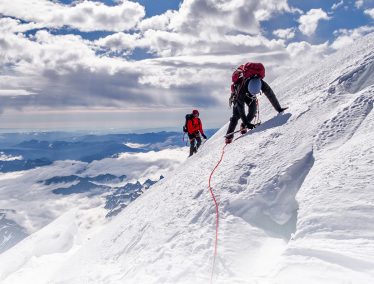
The pioneering conservationist and UW alumnus climbed the mountain in 1888. Today, following his path is no easy task.
Find Articles
This page presents a paginated collection of all On Wisconsin stories by default. You can use topic and year filters to narrow the list of stories.
Selected topic: Environment & Climate.
83 stories matched. Showing page 2 of 3.
Filters
Filter by Year
Filter by Topic
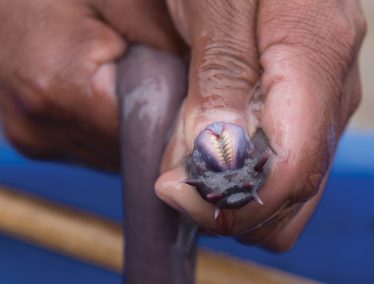
Experts use math to better understand a sea creature’s defense mechanism.

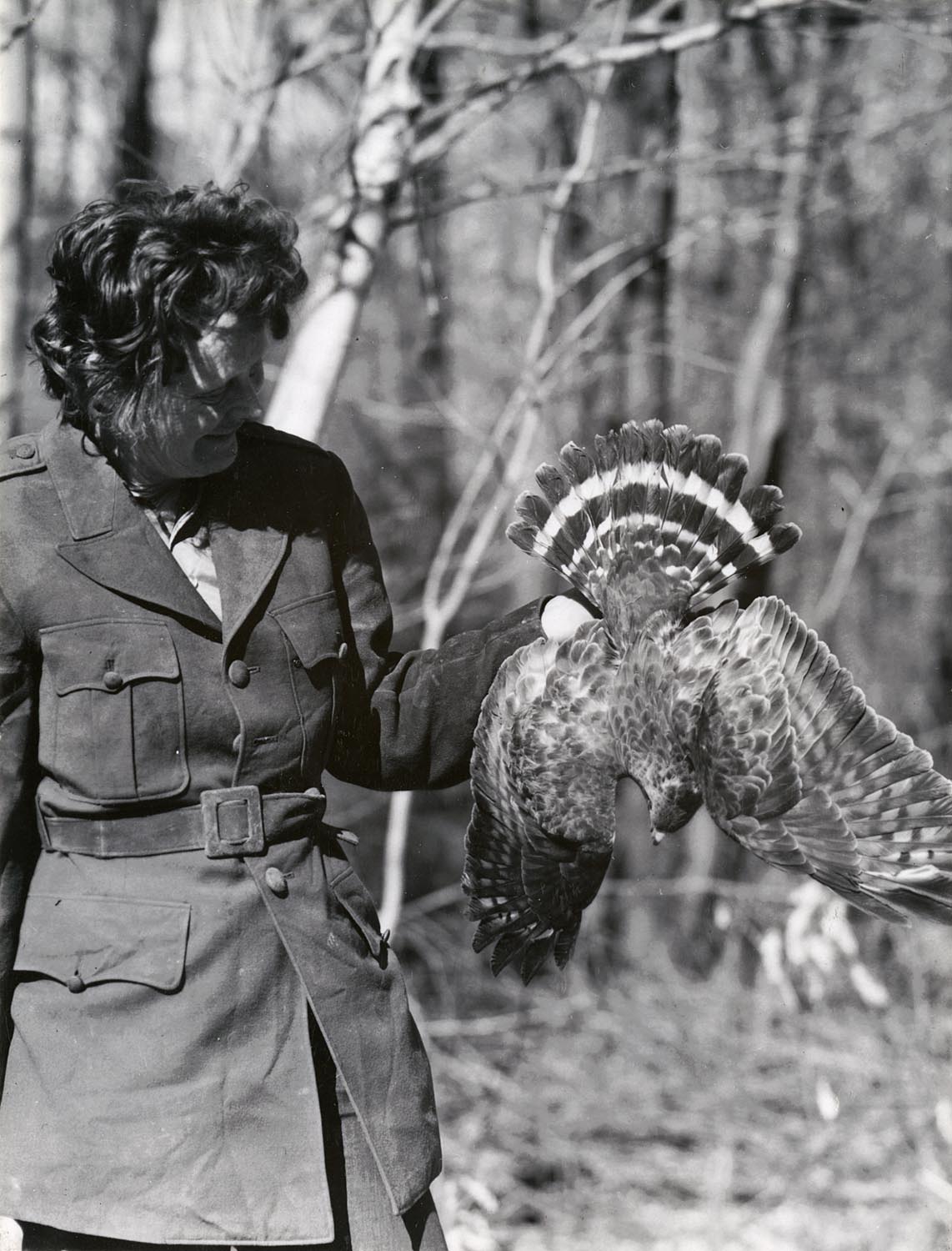
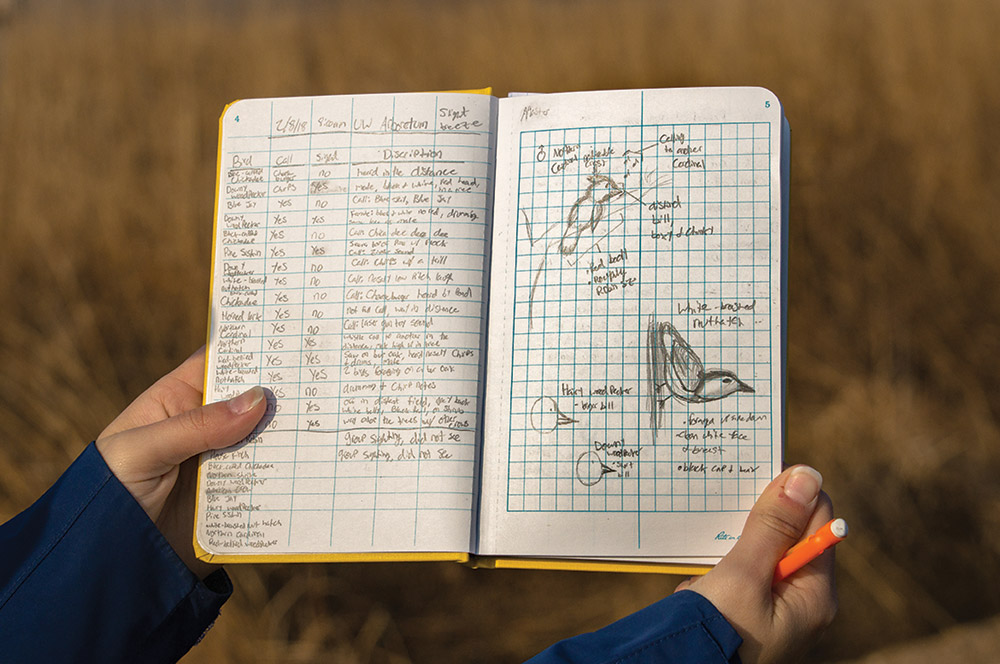
Hamerstrom, one of the UW’s pioneering ecologists, exhibits the tail feathers of a broad-winged hawk in Plainfield, Wisconsin, in 1965. UW Archives Neg. 18146
Frances (Fran — pronounced “Fron”) Hamerstrom MS’40 was a pioneering wildlife ecologist. She and her husband, Frederick, came to the UW to study…
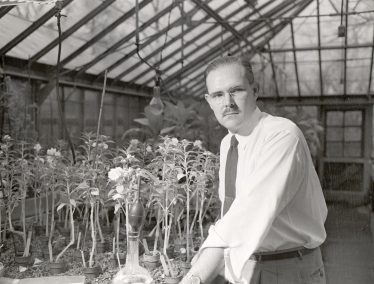
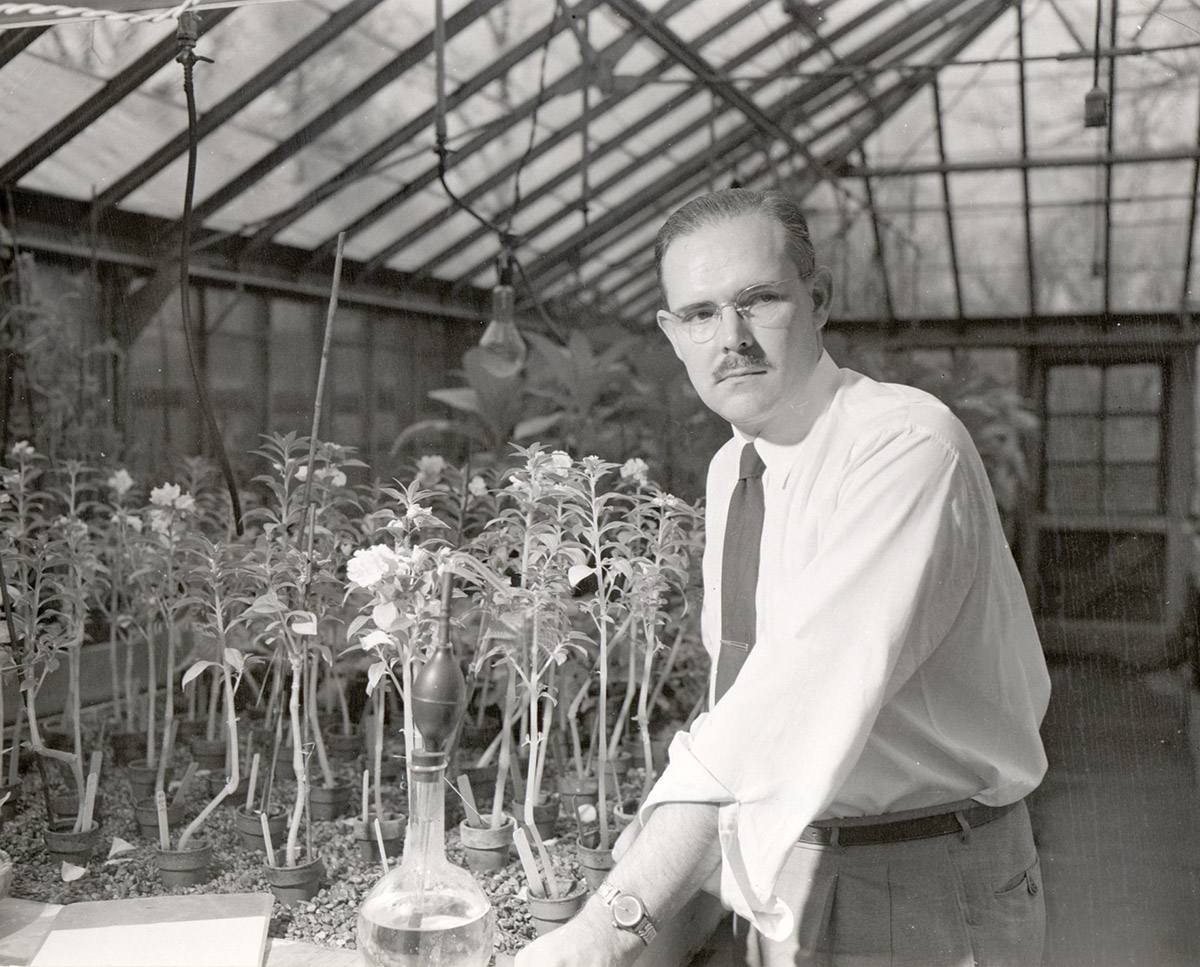
John Curtis, shown here in his lab in 1951, introduced the concept of burning prairie as a means of restoration. The Arb conducted its first burn in the 1940s. UW Archives S04992
Bring up conservation in Wisconsin and you’ll often hear the name John Curtis MS1935,…
Bethany Goodrich
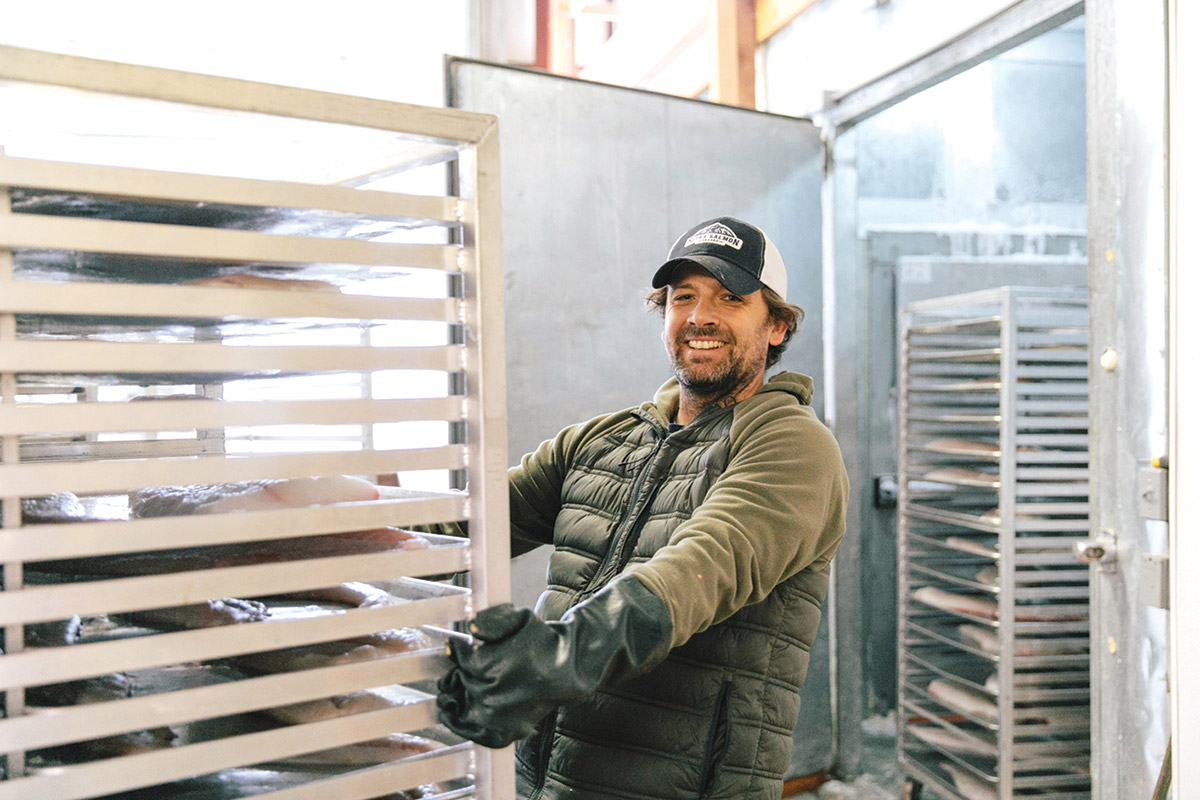
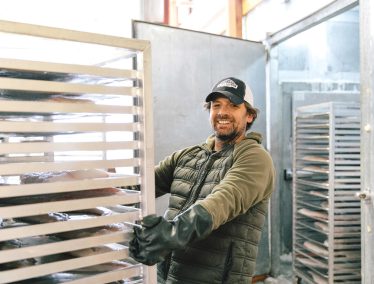
Nic Mink ’02, PhD’10 is mad as halibut, and he’s not going to take it anymore. Mink likes fish. But he very much prefers his fish to be good fish. The world has too much bad-tasting seafood, he argues, and it doesn’t have to…

Chris Burt ’83 has long been fascinated by weather — of the extreme variety.
Mason Muerhoff
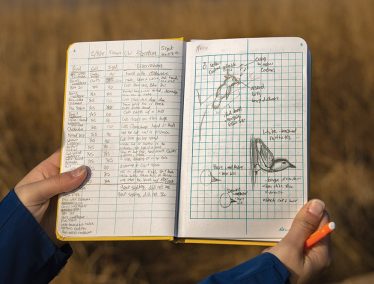
Nomen est omen, said the ancient Romans, who liked their maxims to rhyme: one’s name is one’s destiny. And while there’s little empirical evidence about this aphorism, put Anna Pidgeon PhD’00 down on the side of support. The professor with the columbiform name has…
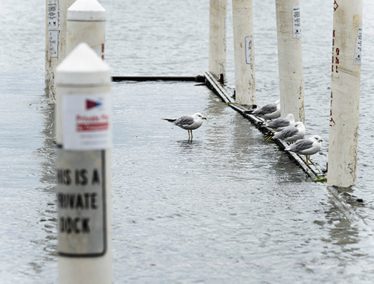
Madison-area lake levels continued to rise after a record-breaking storm on August 20, 2018, dumped more than 10 inches of rain on parts of Dane County and caused flooding on the UW–Madison campus lakeshore. Street closures in the downtown area also complicated matters for students who moved into…
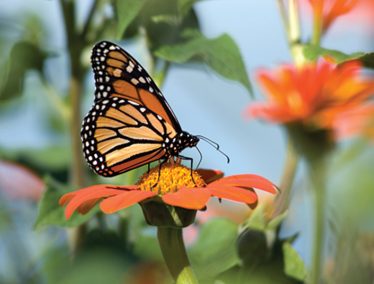
UW–Madison’s Arboretum is part of a nationwide effort to protect the popular insect.
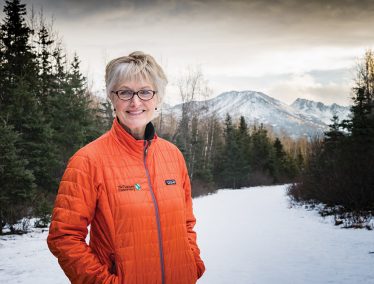
In Alaska, where glaciers are melting, Fran Ulmer ’69, JD’72 leads a commission tasked with helping U.S. officials decide what to do about climate change.

UW–Madison’s campus has long been known for its beauty. Iconic places such as Picnic Point and Bascom Hill bring back memories of campus life for decades of alumni.
But little of that beauty happens by accident. There’s a plan — a master plan.
Campus master plans are required under Wisconsin…
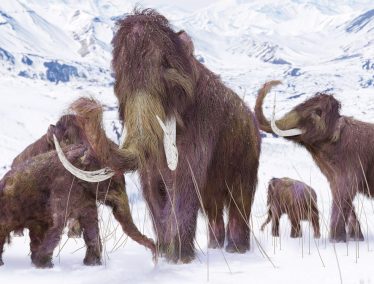
Aunt_Spray/ISTOCK
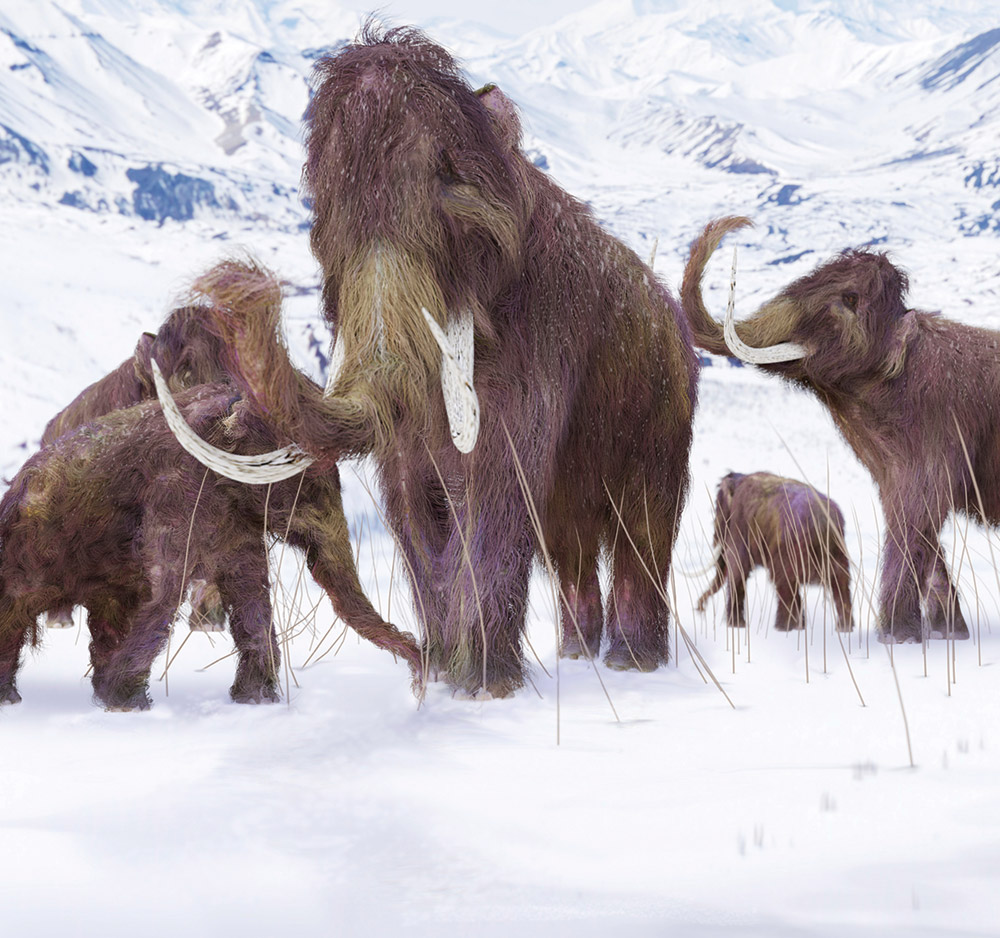
By ten thousand years ago, woolly mammoths had gone extinct from mainland Asia and North America. But a population of island-dwelling mammoths survived on a remnant piece of land once part of the Bering Strait land bridge.
UW geography professor Jack Williams and…
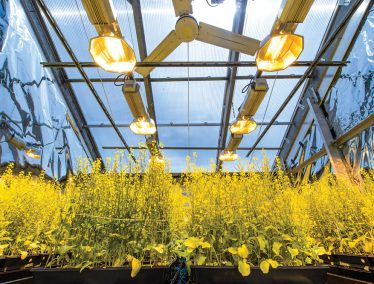
UW–Madison is home to one of the most flexible and unique research facilities in North America.
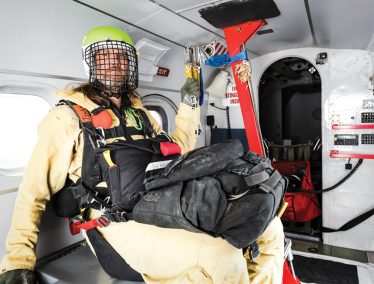
For former Badger rower Todd Jinkins ’96, parachuting out of a plane with more than 100 pounds of gear on his back to prevent a forest fire is all in a day's work.
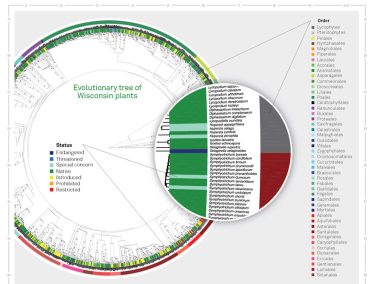
Sequencing the DNA of every plant in Wisconsin is a daunting task, but a UW team recently accomplished just that. After four years, the project has now gathered information for some 2,600 species — from the most primitive fern to the most advanced flowering plants, plus conifers, birch trees,…
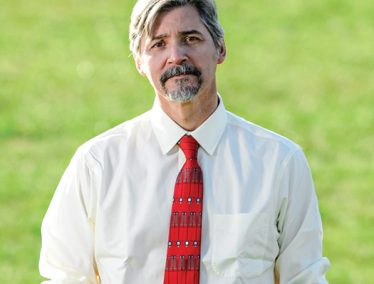
The grass may be greener on the other side of the fence. But is that a good thing?
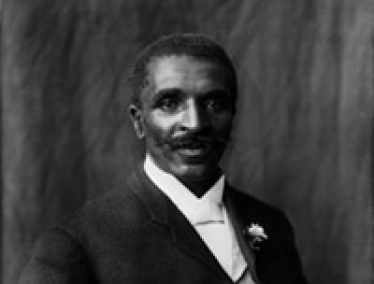
Big find: specimens George Washington Carver collected uncovered at the UW.
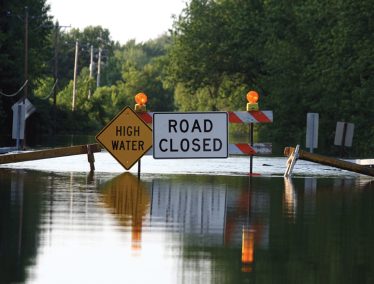
The effects of a warmer Earth will last and last and last.
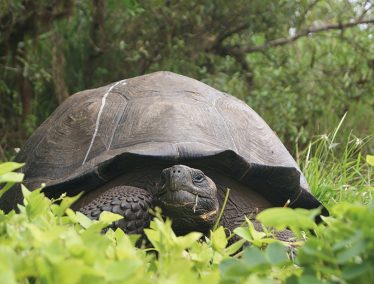

Decades after graduation, six alumni defy sharks, aging bodies, and ocean swells in a race across Hawaii’s Maui Channel.

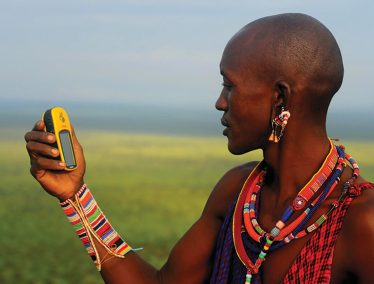
Two UW alumni are working closely with African tribal warriors, teaching them how to protect — rather than kill — the majestic lions that roam their lands.
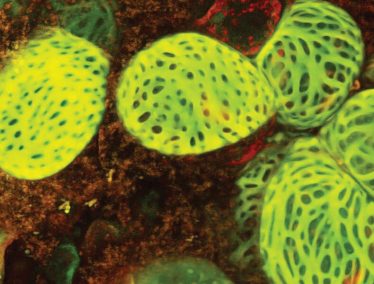
UW’s Great Lakes Bioenergy Research Center researchers identified a method to make paper easier to produce.
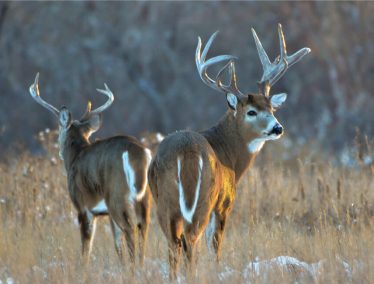
The greatest threat to Wisconsin’s forests may not be pollution or urban sprawl.
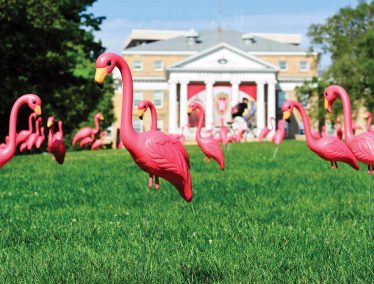
The Pail and Shovel Party was onto something: if you want to get your message across, take it to Bascom Hill.
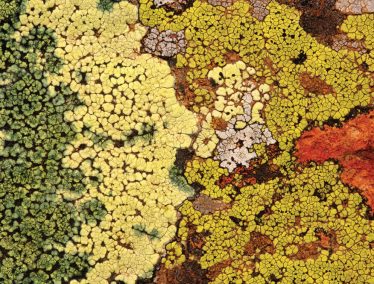
The Wisconsin State Herbarium has added 60,000 samples to its collection.

Citizen scientists provide clarity for lake researchers’ big questions.